In many parts of the world, hiking is a solitary pursuit—a quiet battle against nature involving heavy packs and silent trails. But in South Korea, hiking (or deungsan) is a vibrant, communal, and deeply spiritual way of life. It is where the famous “Pali-pali” (hurry-hurry) culture of Seoul finally slows down, traded for the rhythmic sound of trekking poles and the shared breath of the mountains.
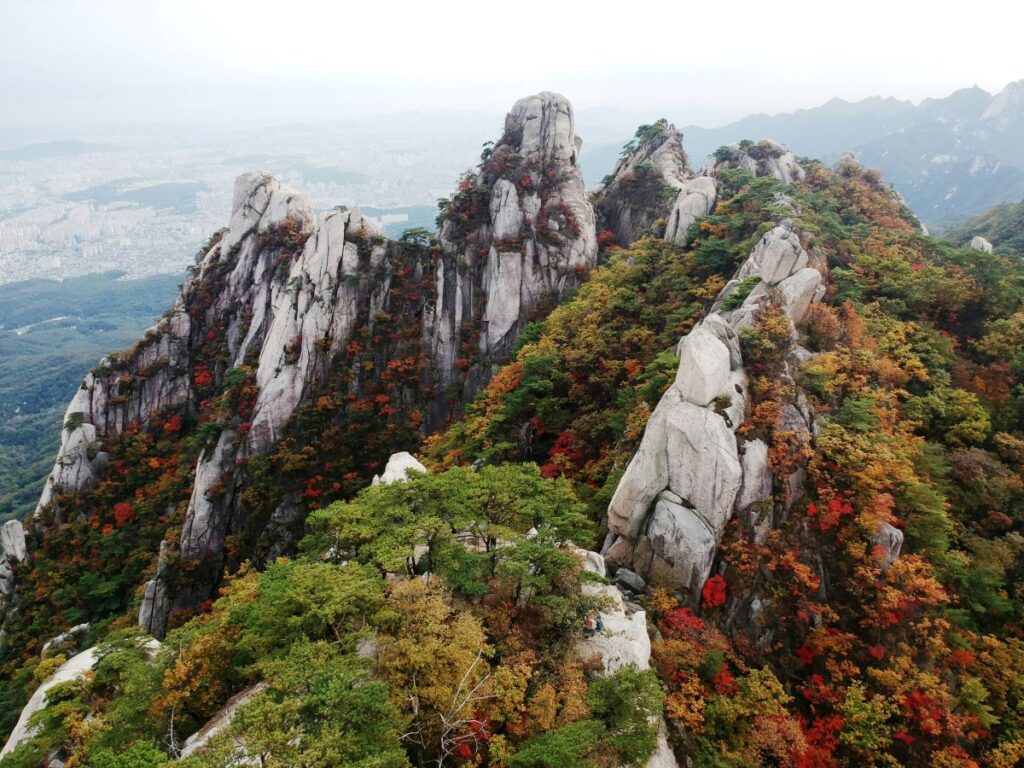
With nearly 70% of the peninsula covered in mountains, you are rarely more than a stone’s throw away from a trailhead. Whether you’re a resident looking for a weekend escape or a traveler seeking a true Korean culture experience, the mountains offer a unique window into the nation’s heart.
What Makes Korean Mountains Unique?
For travelers searching for “hiking in Korea” or “Korean hiking culture,” the experience is surprisingly different from what you may expect.
If you’ve hiked the Alps or the Rockies, the first thing you’ll notice about Korean mountains isn’t their height, but their texture. Korean peaks are often characterized by dramatic granite crags and weathered pine trees that look like they’ve jumped straight out of an ancient ink wash painting.
Unlike the sprawling wilderness of North America, Korean trails are masterfully maintained but socially active. You’ll find wooden stairs on steep inclines, outdoor “gyms” halfway up a peak, and—most importantly—a unique social energy.
- The Food Culture:
In Korea, the summit is just the intermission. The real finale happens at the base, where hikers gather for pajeon (scallion pancakes) and makgeolli (sparkling rice wine). - Safety and Accessibility:
Most trailheads are reachable by public transport. You can take a subway in Seoul and be at the entrance of Bukhansan National Park in 45 minutes.
In Korea, hiking is not an escape from daily life — it is an extension of it.
The Beautiful Lie: “Da-wa-ga-yo” (다 와 가요)
Hiking in Korea comes with its own unique language. If you are struggling up a steep flight of stairs, panting and sweating, a descending hiker might catch your eye and say, “Da-wa-ga-yo!”
Literally translated, it means “You’re almost there.”
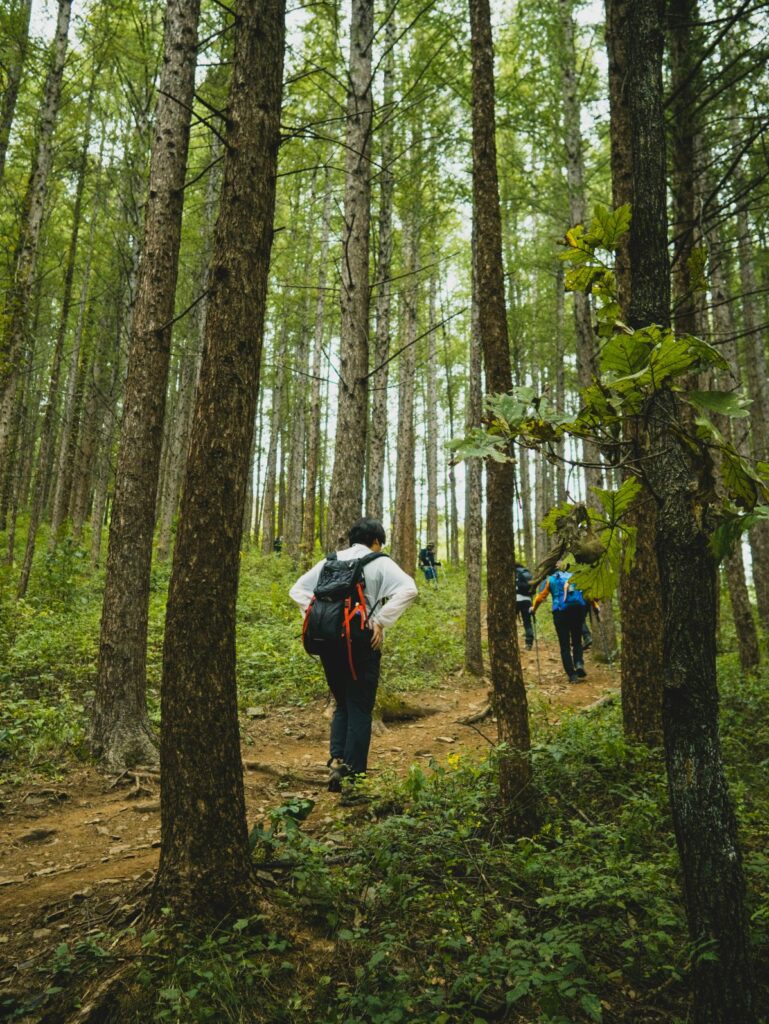
However, don’t check your GPS just yet. In the world of Korean hiking, this is often a “white lie” of encouragement. You might actually be 30 minutes away from the peak! It’s not meant to deceive you, but to boost your morale and give you the strength to push through the fatigue. It’s a heartwarming example of the communal spirit—strangers cheering on strangers to reach the top together.
The Wisdom in the Names: Why “San”?
Have you ever wondered why almost every famous peak ends in -san? While “San” simply means mountain, the specific names often tell a story of history, shape, or spirituality.
- Seoraksan (Seol = Snow):
Named because the snow stays on the peaks for a long time, making the jagged granite look white even in early spring. - Bukhansan (Buk = North, Han = Han River):
Literally “The Mountain North of the Han River.” It was once considered the guardian of the Joseon Dynasty. - Inwangsan (Inwang = Benevolent King):
Named after a Buddhist guardian deity, reflecting the mountain’s role in protecting the royal palace.
Understanding these names helps you realize that these aren’t just rocks and dirt; they are landmarks of Korean identity.
A Mountain for Every Season
The beauty of Korea local life is how the landscape transforms four times a year. No two hikes are ever the same.
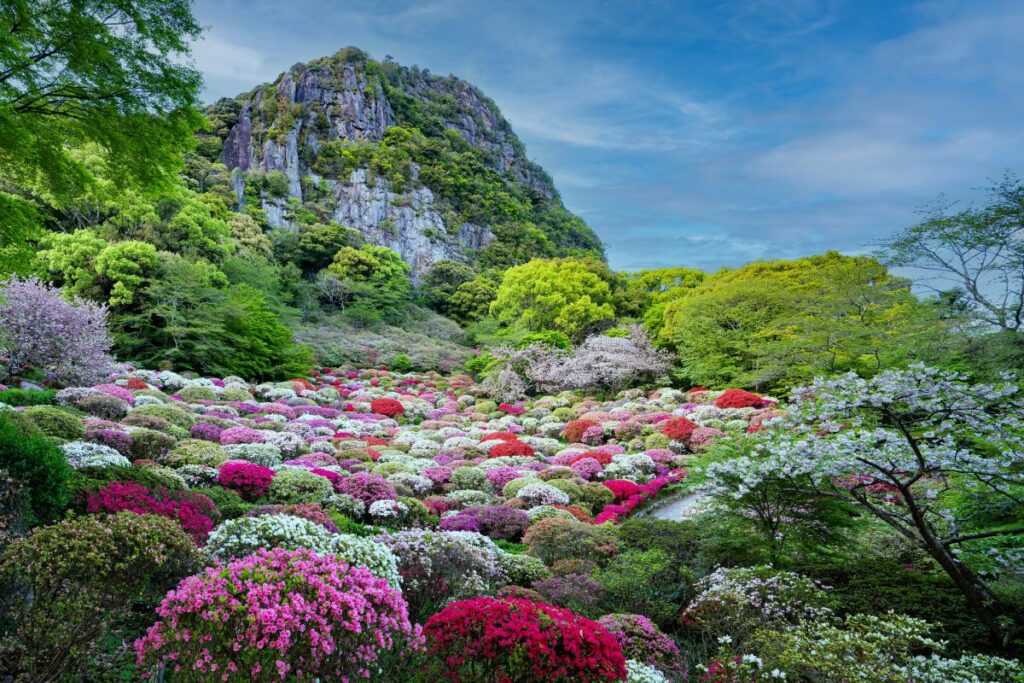
- Spring (Flower Tunnels):
Mountains like Hwangmaesan turn vibrant pink with royal azaleas. It’s the perfect time for light layers and photography. - Summer (Valley Escapes):
When the humidity hits, locals head to mountains with deep valleys (gyegok), like Jirisan. You can dip your feet in ice-cold mountain streams to cool off. - Autumn (The Gold Standard):
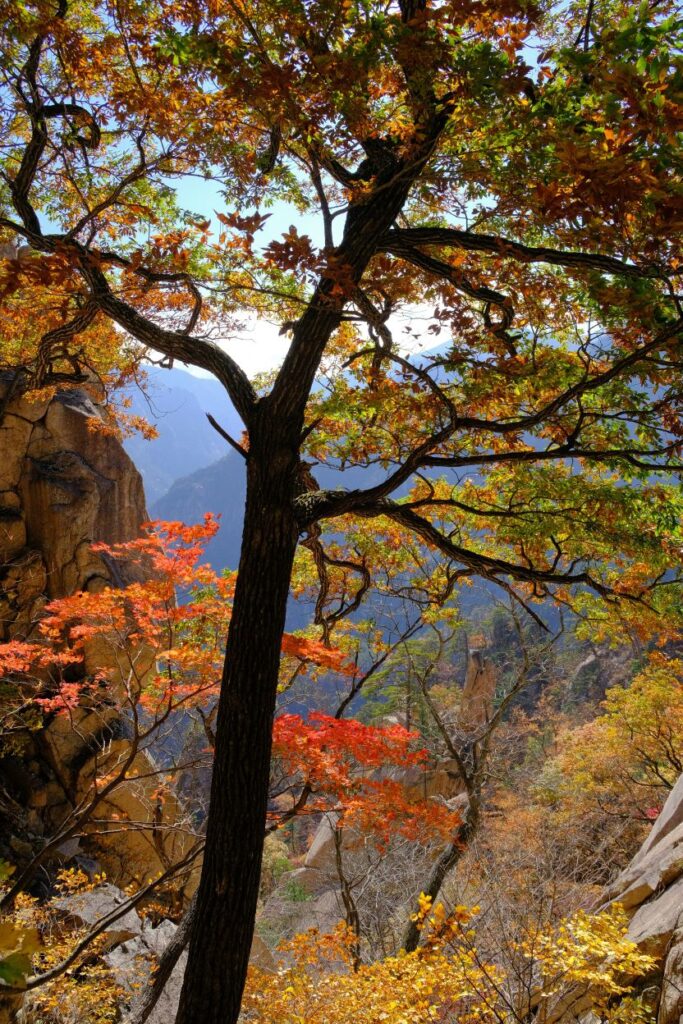
This is the peak hiking season. Naejangsan is world-famous for its fiery red maple leaves. - Winter (The Snow Flower):
Hallasan on Jeju Island or Deogyusan offer “snow flowers”—frost that crystallizes on tree branches, creating a frozen kingdom.
Practical Tips for Your First Korean Hike
If you’re planning to join the locals on the trails, here are some essential Korean travel tips to keep you moving smoothly:
- Gear Up:
The rocky terrain can be tough on the knees. I highly recommend bringing (or renting) a pair of sturdy trekking poles. You’ll see many locals using them, and they make the descent much safer on the granite steps. - Navigation:
Google Maps often fails on Korean trails. I highly recommend downloading Naver Map or KakaoMap for accurate trailheads. (Unsure how to use them? Check out my step-by-step guide on [How to Master Naver & Kakao Maps in Korea].) - Etiquette:
When passing others on narrow paths, yield to those coming up the mountain. A simple nod or “Annyeong-haseyo” is always appreciated. - Snacks:
While there are often stalls at the bottom, bring water and snacks. Locals love sharing cucumbers and cherry tomatoes—don’t be surprised if someone offers you a piece of fruit!
Ready to Hit the Trail?
Hiking in Korea isn’t just about conquering a peak; it’s about the slow breath, the shared encouragement of “Da-wa-ga-yo,” and the rewarding meal at the end. It is the ultimate “Simple Life” experience in an otherwise fast-moving country.
In future posts, I’ll share beginner-friendly hiking courses in Seoul and other cities across Korea.
Image Credits: All photos in this post are courtesy of Unsplash (by Ramesh Kumar Saini, Jinhan Moon, Kawasaki Toshihiro, and Austin Curtis).