You’ve booked your flights, chosen your neighborhood guesthouse, and mapped out your must-visit spots. But before your trip to Korea begins, there’s one important question to answer: How will you stay connected?
In a country where navigation apps, restaurant searches, and real-time transit updates are a core part of everyday life, having reliable mobile data from the moment you land makes a huge difference. With the right Korea travel SIM or eSIM arranged in advance, you can step off the plane, check your route into the city, and start exploring without stress.
Here’s a practical, up-to-date guide to choosing the best SIM card for Korea

1. Should You Just Use International Roaming?
It may seem easiest to rely on your home carrier’s roaming plan. However, for most travelers, this isn’t the most cost-effective or reliable option.
- Cost: Major carriers in North America, Europe, and Australia typically charge around $10–$12 USD per day for international day passes. Over two weeks, that can easily exceed $140—often more than double the cost of a full unlimited data plan in Korea.
- Speed: Some mobile plans advertise “free” international roaming. However, these often reduce speeds significantly—sometimes as low as 128–256 kbps. While technically usable, that speed can feel incredibly frustrating when loading maps, searching directions, or uploading photos.
The Verdict: For faster speeds and better value, arranging a prepaid SIM card in Korea—either eSIM or physical—is usually the smarter choice.
2. eSIM vs. Physical SIM: What’s the Difference?
Your best option depends on your phone compatibility and travel style. Here is a breakdown of the three main choices.
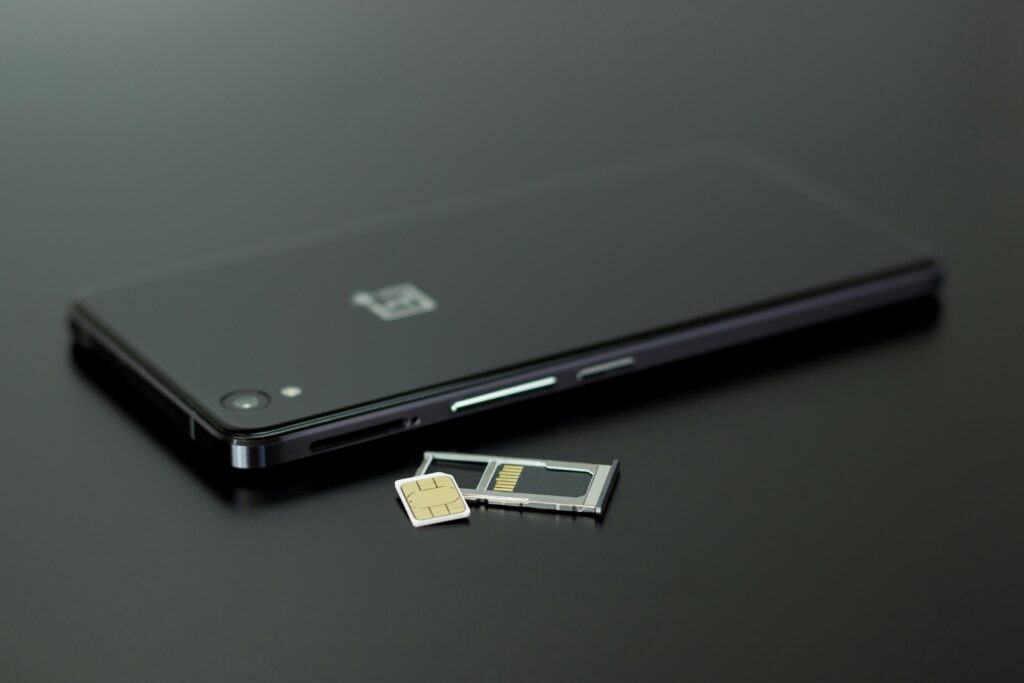
Option A: Global eSIM Providers (Simple & Data-Only)
If your phone supports eSIM (most iPhones from XR onward and many recent Android models), this is often the easiest solution. Global platforms such as Airalo or Nomad sell prepaid Korea eSIM data plans that you can purchase online before departure. After checkout, you receive a QR code to scan and activate.
- Best for: Short-term travelers, light-to-moderate data users, and those who don’t need a Korean phone number.
- Typical pricing: ~$5 USD for 1GB, or ~$15 USD for 5GB (valid up to 30 days).
- Keep in mind: Most global eSIMs are data-only, meaning they do not include a local phone number.
Option B: Korean Carrier Tourist eSIMs (Unlimited Plans)
Korea’s major carriers—SK Telecom (SKT), KT, and LG U+—offer official tourist eSIM plans. These are often sold online through travel platforms such as Klook or Trazy. These plans tend to be more robust and frequently include unlimited data options.
- Best for: Heavy data users, remote workers, and travelers staying 1–3 weeks.
- Typical pricing: ~$18–$25 USD for 5 days of unlimited data, or ~$40–$50 USD for 14 days.
- Keep in mind: Some plans include a temporary Korean phone number starting with 010, primarily for receiving calls or verification texts from restaurants. However, these tourist numbers cannot be used for services requiring official Korean ID authentication (such as banking apps, food delivery apps, or booking certain concert tickets).
Option C: Physical SIM Card (Airport Pickup)
If your phone does not support eSIM—or if you simply prefer installing a physical SIM—you can reserve one online and pick up your Incheon Airport SIM card at the SKT, KT, or LG U+ counters right outside the arrivals hall.
- Typical pricing: Around $25 USD for a 5-day unlimited data SIM (slightly more if a temporary 010 number is included).
- The T-money Bonus: Some physical airport SIM packages include a complimentary T-money transit card. Even if yours does not, you can easily purchase a T-money card at any convenience store and load it with cash for public transportation and small purchases.
Not sure how to use it? Check out my complete step-by-step guide on [Korea T-money Card Guide: How to Buy & Recharge (Subway/MRT)].
3. Where Should You Buy Your Korea SIM Card?
You have three main options for purchasing:
- Purchase online before departure (Most convenient – highly recommended!)
- Reserve online and pick up at the airport
- Buy directly at the airport upon arrival
Pre-ordering online is usually slightly cheaper and helps you avoid waiting in long lines at the carrier desks during peak travel seasons.
4. Essential Apps to Download After Activation
Once your connection is live, make sure you install these essential local apps:
- Navigation (Naver Map or KakaoMap): Google Maps works for public transit and basic location searches in Korea, but due to local data regulations, it cannot provide precise walking or driving directions. For the smoothest experience, download Naver Map or KakaoMap. Both offer strong English interfaces.
Now that your maps are ready, it’s time to choose your transit pass! If you are wondering whether to use a standard card or the new unlimited transit pass, read my comparison: [T-money vs. Climate Card: Best Seoul Pass in 2026?] - Messaging (KakaoTalk): KakaoTalk is Korea’s primary messaging platform. Many local businesses, guesthouses, tour operators, and even restaurants use it for communication. Creating an account before you arrive will make your trip much smoother.

Final Thoughts: What’s the Best SIM Card for Korea?
To summarize:
- Short trips + light data use → Global eSIM
- Longer stays + unlimited data → Korean carrier tourist eSIM
- Older phone or prefer physical → Airport SIM pickup
Having reliable mobile data in Korea isn’t just about convenience—it’s the key to enjoying a stress-free, simple travel experience. Whether you are navigating a busy subway transfer or using your map to find a quiet local teahouse tucked away in an alley, being connected allows you to move confidently and safely through the country.

A few minutes of planning before departure can save you money, reduce stress, and help you embrace the true local rhythm of Korea from the moment you land.
Photo by O-seop Sim, Silvie Lindemann, Pixabay, Sangmin Jeong on Pexels